

The temperature range in which an Infrared Web Guide Sensor can operate is a critical factor that impacts its performance and reliability. As a supplier of Infrared Web Guide Sensors, we understand the significance of this parameter and strive to provide our customers with sensors that can function optimally across a wide range of temperatures.
Understanding Infrared Web Guide Sensors
Infrared Web Guide Sensors are essential devices used in various industries to detect the position of a web, such as paper, film, or fabric, and ensure its proper alignment during the production process. These sensors work by emitting infrared light and measuring the reflection or absorption of this light by the web. Based on the detected light, the sensor can determine the position of the web and send signals to the guiding system to make necessary adjustments.
Optimal Temperature Range for Infrared Web Guide Sensors
The optimal temperature range for an Infrared Web Guide Sensor typically lies between -20°C to 60°C (-4°F to 140°F). This range is carefully determined to ensure that the sensor's components, such as the infrared emitter, detector, and electronic circuits, can operate without any significant degradation in performance.
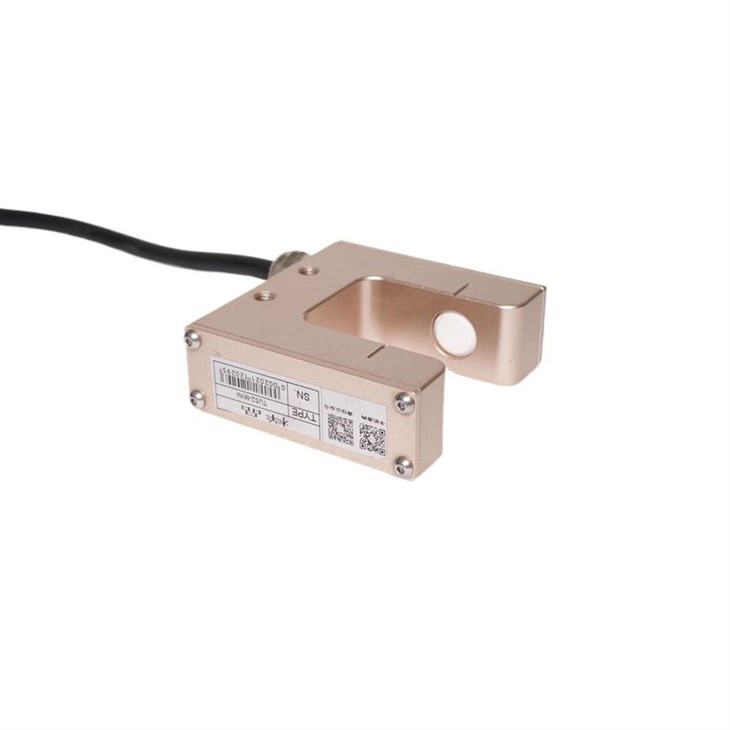

Within this temperature range, the infrared emitter can maintain a stable output of infrared light, which is crucial for accurate web position detection. The detector can also function efficiently, converting the received infrared light into electrical signals with high precision. Additionally, the electronic circuits can process these signals without being affected by temperature-induced variations in electrical properties.
Effects of Temperature on Sensor Performance
When the temperature goes beyond the optimal range, the performance of the Infrared Web Guide Sensor can be significantly affected. At extremely low temperatures, the infrared emitter may experience a decrease in output power, leading to a weaker infrared signal. This can result in reduced detection accuracy and a higher probability of false readings.
On the other hand, high temperatures can cause the detector to become less sensitive, as the thermal noise increases. This can also lead to inaccurate web position detection and may require the sensor to be recalibrated more frequently. Moreover, high temperatures can accelerate the aging process of the sensor's components, reducing its overall lifespan.
Temperature Compensation and Protection
To mitigate the effects of temperature variations, our Infrared Web Guide Sensors are equipped with advanced temperature compensation mechanisms. These mechanisms adjust the sensor's parameters, such as the gain and offset of the detector, to maintain consistent performance across different temperatures.
In addition to temperature compensation, our sensors are also designed with robust protection features to withstand harsh environmental conditions. For example, the sensors are enclosed in a durable housing that provides protection against dust, moisture, and mechanical shock. This ensures that the sensor can operate reliably in industrial settings where temperature fluctuations and other environmental factors are common.
Comparison with Other Web Guide Sensors
When compared to other types of web guide sensors, such as the Ultrasonic Web Guide Sensor and the CCD Web Guide Sensor, the Infrared Web Guide Sensor offers several advantages in terms of temperature range and performance.
The ultrasonic web guide sensor relies on ultrasonic waves to detect the web position. While it can operate in a relatively wide temperature range, it may be affected by factors such as air humidity and the presence of dust particles, which can interfere with the ultrasonic waves.
The CCD web guide sensor uses a charge-coupled device (CCD) to capture an image of the web and determine its position. Although it can provide high-resolution detection, it is more sensitive to temperature changes and may require more complex calibration procedures.
In contrast, the Infrared Web Guide Sensor is less affected by environmental factors and can provide stable performance across a wide temperature range. This makes it a preferred choice for many industrial applications where reliable web guiding is essential.
Importance of Temperature Range in Industrial Applications
In industrial applications, maintaining the proper temperature range for the Infrared Web Guide Sensor is crucial for ensuring the quality and efficiency of the production process. For example, in the paper manufacturing industry, accurate web guiding is essential to prevent wrinkles, tears, and other defects in the paper. If the temperature of the sensor is not within the optimal range, it can lead to inaccurate web position detection, resulting in production downtime and increased waste.
Similarly, in the film and fabric industries, the Infrared Web Guide Sensor plays a vital role in ensuring the uniform winding and unwinding of the web. By operating within the recommended temperature range, the sensor can provide precise web position control, leading to improved product quality and reduced production costs.
Conclusion
In conclusion, the temperature range in which an Infrared Web Guide Sensor can operate is a critical factor that affects its performance and reliability. Our Infrared Web Guide Sensors are designed to operate within an optimal temperature range of -20°C to 60°C (-4°F to 140°F), ensuring accurate web position detection and stable performance in various industrial applications.
If you are looking for a reliable Infrared Web Guide Sensor for your production process, we invite you to explore our product range at Infrared Web Guide Sensor. Our team of experts is ready to assist you in selecting the right sensor for your specific needs and provide you with comprehensive technical support. Contact us today to start a discussion about your requirements and find the best solution for your business.
References
- "Industrial sensors: Principles, characteristics, and applications." By Jacob Fraden.
- "Web handling: converting, printing, and laminating." By David Roisum.