

Hey there! As a supplier of CCD Web Guide Sensors, I often get asked about the detection range of these nifty devices. So, let's dive right in and explore what the detection range of a CCD Web Guide Sensor is all about.
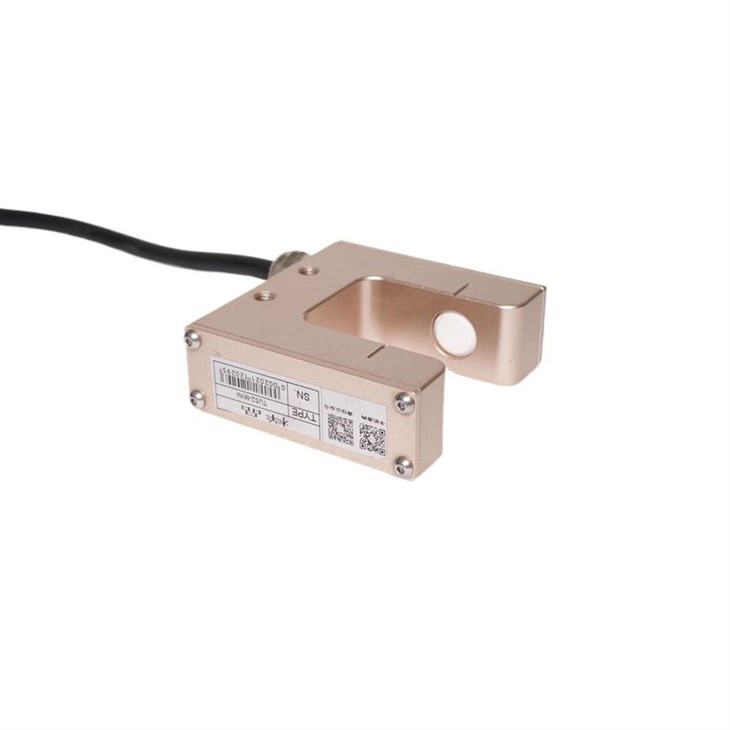

First off, what exactly is a CCD Web Guide Sensor? Well, it's a key component in web guiding systems. These sensors use Charge - Coupled Device (CCD) technology to detect the edge or line of a moving web material, like paper, film, or fabric. They're super important in industries where precise alignment of the web is crucial, such as printing, packaging, and textile manufacturing.
The detection range of a CCD Web Guide Sensor refers to the distance within which the sensor can accurately detect the target (the edge or line of the web). This range can vary depending on a few factors.
Factors Affecting the Detection Range
Sensor Resolution
The resolution of the CCD sensor plays a big role. A higher - resolution sensor can detect smaller details and work effectively over a wider range. For example, a high - res CCD sensor can pick up the edge of a web even when it's a bit farther away because it can distinguish fine differences in light and dark. If the resolution is low, the sensor might struggle to accurately detect the edge beyond a certain distance.
Web Material Characteristics
The type of web material also matters. Transparent materials can be a bit tricky. For instance, if you're dealing with a clear plastic film, the sensor might have a harder time detecting the edge compared to an opaque material like cardboard. The color and texture of the web can also impact the detection range. Darker materials might absorb more light, which could limit the sensor's ability to detect the edge at greater distances.
Lighting Conditions
Proper lighting is essential for the CCD Web Guide Sensor to work well. If the lighting is too dim, the sensor might not be able to pick up the contrast between the web and its background, reducing the effective detection range. On the other hand, if the lighting is too bright or uneven, it can cause glare and false readings. A well - lit environment with consistent lighting can extend the detection range of the sensor.
Typical Detection Ranges
In general, the detection range of a CCD Web Guide Sensor can vary from a few millimeters to several centimeters. For applications where the web is moving at a high speed and needs very precise alignment, the detection range might be on the shorter side, say around 5 - 10 millimeters. This allows for quick and accurate adjustments to keep the web in the right position.
In other applications where the web movement is slower and a bit more forgiving, the detection range can be larger, up to 50 millimeters or more. This gives the system more flexibility and time to make adjustments.
Comparison with Other Web Guide Sensors
It's also interesting to compare the CCD Web Guide Sensor with other types of web guide sensors, like the Laser Web Guide Sensor, Ultrasonic Web Guide Sensor, and Infrared Web Guide Sensor.
- Laser Web Guide Sensor: Laser sensors typically have a long - range detection ability. They can detect the web edge from a relatively far distance, often up to several meters. However, they might be more sensitive to environmental factors like dust and smoke, which can scatter the laser beam and affect the accuracy.
- Ultrasonic Web Guide Sensor: Ultrasonic sensors use sound waves to detect the web edge. Their detection range can vary depending on the power of the ultrasonic signal. They can work well in some environments where other sensors might struggle, but they might not be as precise as CCD sensors in certain applications.
- Infrared Web Guide Sensor: Infrared sensors detect the web based on the infrared light absorption or reflection. Their detection range is usually in the range of a few centimeters to a few decimeters. They are often used in applications where a moderate detection range and cost - effectiveness are important.
Applications and the Importance of Detection Range
The detection range of a CCD Web Guide Sensor is crucial in different applications. In the printing industry, for example, where high - quality prints are required, a narrow detection range with high precision is often needed. This ensures that the printing plates are perfectly aligned with the web, resulting in sharp and accurate prints.
In the packaging industry, a wider detection range might be more suitable. As different types and sizes of packaging materials are used, the sensor needs to be able to adapt and detect the web edge over a larger area.
Choosing the Right CCD Web Guide Sensor
When choosing a CCD Web Guide Sensor, it's important to consider the detection range based on your specific application. Think about the speed of the web, the type of material, and the required level of precision. If you're working with a high - speed web and need very accurate alignment, a sensor with a shorter but more precise detection range might be the way to go. If you have a slower - moving web and more flexibility in alignment, a sensor with a wider detection range could be a better choice.
Conclusion
So, in a nutshell, the detection range of a CCD Web Guide Sensor is an important factor that depends on sensor resolution, web material characteristics, and lighting conditions. It can vary from a few millimeters to several centimeters, and it plays a crucial role in different industries and applications.
If you're in the market for a CCD Web Guide Sensor and want to learn more about how our products can meet your specific needs, feel free to reach out. We're here to help you find the perfect sensor for your web guiding requirements. Whether you need a sensor with a narrow or wide detection range, we've got you covered.
References
- Web Guiding Systems Handbook
- Industry research on sensor technologies for web guiding applications