

Accuracy and repeatability are two crucial factors when it comes to fiber optic web guide sensors. As a supplier of these sensors, I've seen firsthand how these aspects can make or break a web guiding system. Let's dive into what accuracy and repeatability mean in the context of fiber optic web guide sensors and why they matter so much.
What is Accuracy in a Fiber Optic Web Guide Sensor?
Accuracy refers to how closely the sensor's measurement of the web position matches the actual position of the web. In other words, it's about how correct the sensor's readings are. A highly accurate fiber optic web guide sensor will provide measurements that are very close to the true position of the web.
The accuracy of a fiber optic web guide sensor is affected by several factors. First off, the quality of the optical components in the sensor plays a big role. High - quality lenses and light sources can ensure that the light is properly focused and detected, leading to more accurate measurements.
Another factor is the calibration of the sensor. Calibration is the process of adjusting the sensor to ensure that its readings are correct. A well - calibrated fiber optic web guide sensor will have a much higher accuracy. We, as a supplier, always make sure that our sensors are calibrated to the highest standards before they are shipped out.
Environmental conditions can also impact accuracy. For example, dust, humidity, and temperature can all affect the performance of the sensor. A good fiber optic web guide sensor should be designed to minimize the impact of these environmental factors. Our sensors are built with robust enclosures and advanced filtering systems to ensure accurate readings even in harsh environments.
What is Repeatability in a Fiber Optic Web Guide Sensor?
Repeatability is about the consistency of the sensor's measurements. A sensor with high repeatability will give the same measurement when the same web position is measured multiple times. This is important because in a web guiding system, the sensor needs to provide consistent readings over time to ensure stable and accurate web guiding.
The mechanical stability of the sensor is a key factor in repeatability. If the sensor is not properly mounted or if it has loose components, the readings can vary from one measurement to the next. Our fiber optic web guide sensors are designed with a solid mechanical structure to ensure that they can maintain their position and orientation, thus providing highly repeatable measurements.
The electronics in the sensor also play a role in repeatability. High - quality electronic components and a well - designed signal processing algorithm can ensure that the sensor's output is consistent. We use state - of - the - art electronics in our sensors to guarantee reliable and repeatable performance.
Why Accuracy and Repeatability Matter
Accuracy and repeatability are essential for the proper functioning of a web guiding system. In industries such as paper, film, and textile manufacturing, even a small deviation in the web position can lead to significant quality issues. For example, in paper manufacturing, an inaccurate web guide can cause wrinkles, uneven cutting, and waste.
A fiber optic web guide sensor with high accuracy and repeatability can help to minimize these problems. It can ensure that the web is guided precisely, resulting in higher - quality products and less waste. This, in turn, can lead to cost savings and increased productivity for the end - user.
Comparing with Other Web Guide Sensors
There are several types of web guide sensors available in the market, such as Laser Web Guide Sensor, CCD Web Guide Sensor, and Ultrasonic Web Guide Sensor. Each type has its own advantages and disadvantages when it comes to accuracy and repeatability.
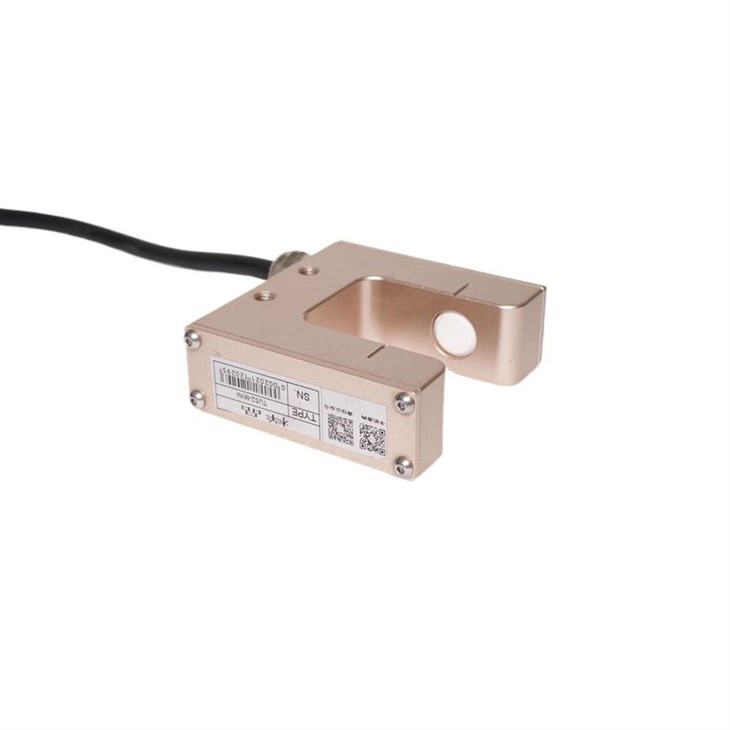

Laser web guide sensors are known for their high accuracy, especially in detecting the edge of the web. However, they can be affected by dust and other contaminants in the environment. CCD web guide sensors can provide detailed images of the web, but they may be more expensive and require more complex setup. Ultrasonic web guide sensors are suitable for non - contact measurement, but their accuracy may be limited in some applications.
Fiber optic web guide sensors offer a good balance between accuracy, repeatability, and cost - effectiveness. They are less affected by environmental factors compared to laser sensors, and they are generally more affordable than CCD sensors.
How We Ensure High Accuracy and Repeatability
As a supplier of fiber optic web guide sensors, we take several steps to ensure that our sensors have high accuracy and repeatability.
First, we use high - quality optical and electronic components in our sensors. We source these components from trusted suppliers and conduct rigorous quality control checks to ensure that they meet our standards.
Second, we have a comprehensive calibration process. Our technicians use precision calibration equipment to adjust the sensors and ensure that their readings are accurate. We also provide calibration certificates with each sensor to give our customers peace of mind.
Third, we continuously improve our sensor design. We invest in research and development to find new ways to enhance the accuracy and repeatability of our sensors. For example, we are constantly working on improving the signal processing algorithms to reduce noise and improve the stability of the measurements.
Contact Us for Your Web Guide Sensor Needs
If you're in the market for a fiber optic web guide sensor, we'd love to hear from you. Our sensors offer high accuracy and repeatability, and we can provide customized solutions to meet your specific requirements. Whether you're in the paper, film, or textile industry, we have the expertise and the products to help you achieve precise web guiding.
Don't hesitate to reach out to us for more information or to discuss your procurement needs. We're here to support you every step of the way.
References
- Industry standards for web guide sensors
- Technical literature on fiber optic technology
- Case studies of web guiding systems in various industries