

As a supplier of CCD Web Guide Sensors, I've often been asked whether these sensors can be used in the aerospace industries. This question stems from the unique requirements and high - precision demands of the aerospace sector. In this blog, I'll explore the feasibility of using CCD Web Guide Sensors in aerospace applications, delving into their features, advantages, and potential challenges.
Understanding CCD Web Guide Sensors
CCD, or Charge - Coupled Device, Web Guide Sensors are advanced optical sensors designed to detect the position of a web (a continuous material such as paper, film, or fabric) and provide feedback to a control system. These sensors work by capturing an image of the web edge and analyzing it to determine the exact position. The CCD technology offers high resolution and accuracy, making it suitable for a wide range of industrial applications.
The CCD Web Guide Sensor typically consists of a CCD camera, a lens, and a processing unit. The camera captures the image of the web edge, and the processing unit analyzes the image to calculate the position. The output is then sent to a control system, which can adjust the position of the web to keep it centered.
Requirements in the Aerospace Industry
The aerospace industry has extremely high standards for precision, reliability, and safety. Components used in aerospace applications must be able to withstand harsh environments, including extreme temperatures, high pressures, and radiation. Additionally, they need to provide accurate and consistent performance over long periods of time.
In aerospace manufacturing, there are many processes that involve the handling of continuous materials, such as composite lay - up, where carbon fiber or other composite materials are laid down in layers to form aircraft components. Precise control of the material position is crucial to ensure the quality and integrity of the final product.
Advantages of CCD Web Guide Sensors in Aerospace
- High Precision: CCD Web Guide Sensors offer high - resolution imaging, which allows for extremely accurate position detection. In aerospace manufacturing, even a small deviation in the position of a composite material can lead to significant structural issues. The high precision of CCD sensors ensures that the materials are placed exactly where they need to be, reducing the risk of defects.
- Non - Contact Measurement: These sensors use optical technology, which means they can measure the position of the web without physically touching it. This is important in aerospace applications, as contact - based sensors can potentially damage delicate materials. Non - contact measurement also reduces the risk of contamination, which is a critical concern in aerospace manufacturing.
- Fast Response Time: CCD Web Guide Sensors can provide real - time feedback, allowing for quick adjustments to the web position. In aerospace manufacturing, where production processes are often fast - paced, the ability to make rapid adjustments is essential to maintain efficiency and quality.
- Versatility: CCD sensors can be used with a variety of materials, including different types of composites, films, and papers. This versatility makes them suitable for a wide range of aerospace applications, from the production of aircraft wings to the manufacturing of interior components.
Potential Challenges
- Environmental Conditions: The aerospace environment can be extremely harsh, with wide temperature variations, high levels of vibration, and exposure to radiation. CCD Web Guide Sensors need to be designed to withstand these conditions. Specialized enclosures and protective coatings may be required to ensure the sensors' reliability and performance.
- Cost: High - precision sensors like CCD Web Guide Sensors can be relatively expensive. In the aerospace industry, where cost - effectiveness is also an important consideration, the high cost of these sensors may be a barrier to widespread adoption. However, the long - term benefits in terms of improved quality and reduced waste may offset the initial investment.
- Calibration and Maintenance: To ensure accurate performance, CCD Web Guide Sensors need to be calibrated regularly. In the aerospace industry, where precision is of utmost importance, proper calibration and maintenance are critical. This requires trained personnel and specialized equipment.
Comparison with Other Web Guide Sensors
There are other types of web guide sensors available, such as Infrared Web Guide Sensor and Ultrasonic Web Guide Sensor. Each type has its own advantages and disadvantages.
Infrared sensors work by detecting the infrared radiation emitted by the web. They are relatively simple and cost - effective, but they may not provide the same level of precision as CCD sensors. Ultrasonic sensors use sound waves to detect the position of the web. They are suitable for applications where the web is opaque or has a rough surface, but they may be affected by environmental factors such as air turbulence.
Compared to these sensors, CCD Web Guide Sensors offer higher precision and better performance in most applications. However, the choice of sensor depends on the specific requirements of the aerospace application.
Case Studies in Aerospace
Although there is limited public information on the use of CCD Web Guide Sensors in aerospace, there are some potential applications. For example, in the production of composite aircraft components, CCD sensors can be used to ensure the accurate placement of carbon fiber sheets. By providing real - time feedback on the position of the sheets, the sensors can help to improve the quality and consistency of the final product.
Another potential application is in the manufacturing of aerospace insulation materials. These materials are often in the form of continuous webs, and precise control of their position is essential to ensure proper insulation performance. CCD Web Guide Sensors can be used to monitor and adjust the position of these webs during the manufacturing process.
Conclusion
In conclusion, CCD Web Guide Sensors have the potential to be used in the aerospace industries. Their high precision, non - contact measurement, fast response time, and versatility make them suitable for many aerospace applications. However, challenges such as environmental conditions, cost, and calibration need to be addressed.
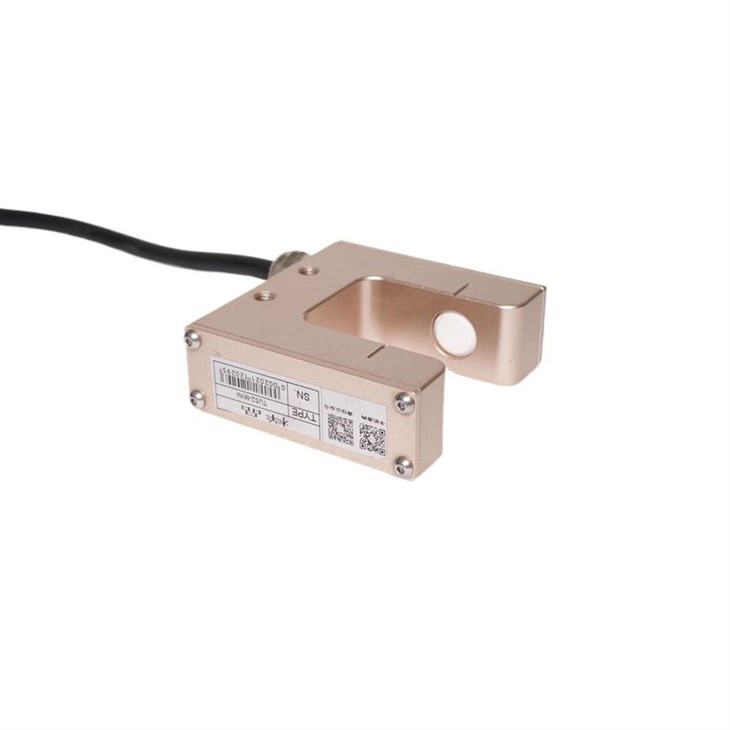

As a supplier of CCD Web Guide Sensors, we are committed to providing high - quality products that meet the demanding requirements of the aerospace industry. We are constantly working on improving our sensors to make them more reliable, cost - effective, and suitable for harsh environments.
If you are in the aerospace industry and are interested in learning more about how CCD Web Guide Sensors can benefit your manufacturing processes, we encourage you to contact us for a detailed discussion. Our team of experts can provide you with more information, technical support, and customized solutions to meet your specific needs.
References
- "Optical Sensors in Industrial Automation", John Wiley & Sons, 2015.
- "Aerospace Manufacturing Technology", McGraw - Hill, 2018.
- "Advanced Sensor Technologies for Harsh Environments", Springer, 2020.