

In the dynamic world of web processing, a Web Winding Guide plays a pivotal role in ensuring the smooth and efficient operation of various industrial processes. As a leading supplier of Web Winding Guides, we understand the significance of these components in maintaining the integrity and quality of web materials during winding and unwinding operations. In this blog post, we will explore the key components of a Web Winding Guide, shedding light on their functions and importance in the overall system.
1. Guide Rollers
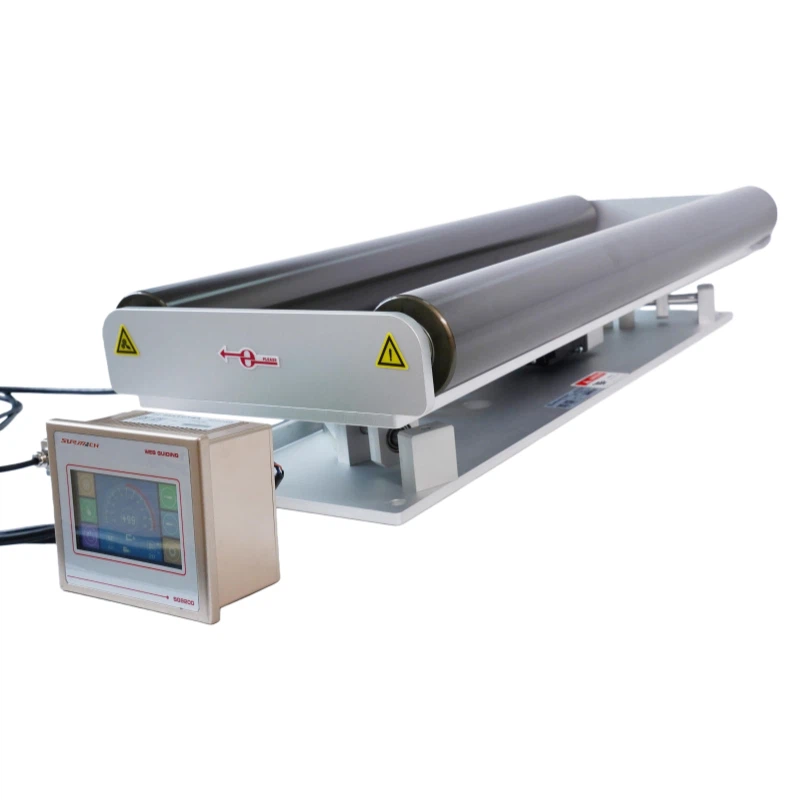
Guide rollers are fundamental components of a Web Winding Guide. These rollers are designed to support and guide the web material as it moves through the winding process. They come in various sizes, materials, and configurations, depending on the specific requirements of the application.
The primary function of guide rollers is to maintain the proper tension and alignment of the web. By providing a smooth and stable surface for the web to travel on, guide rollers help prevent wrinkles, folds, and other defects that can occur during winding. They also assist in controlling the speed and direction of the web, ensuring that it is wound evenly and consistently.
In addition to their guiding function, guide rollers can also be used to adjust the tension of the web. By applying pressure to the rollers, operators can increase or decrease the tension, depending on the needs of the process. This is particularly important in applications where the web material is prone to stretching or shrinking.

2. Sensor System
A reliable sensor system is another crucial component of a Web Winding Guide. The sensor system is responsible for detecting the position and movement of the web, allowing the guide to make real-time adjustments to ensure proper alignment.
There are several types of sensors that can be used in a Web Winding Guide, including optical sensors, ultrasonic sensors, and mechanical sensors. Optical sensors use light to detect the edge of the web, while ultrasonic sensors use sound waves to measure the distance between the sensor and the web. Mechanical sensors, on the other hand, rely on physical contact with the web to detect its position.
The sensor system is typically connected to a control unit, which processes the sensor data and sends signals to the guide to make the necessary adjustments. This closed-loop control system ensures that the web is always centered and aligned, even in the presence of external factors such as vibrations or changes in web tension.
3. Actuator
The actuator is the component that actually moves the guide rollers to adjust the position of the web. It is responsible for translating the signals from the control unit into physical movement, ensuring that the guide rollers are positioned correctly to maintain the proper alignment of the web.
There are several types of actuators that can be used in a Web Winding Guide, including pneumatic actuators, hydraulic actuators, and electric actuators. Pneumatic actuators use compressed air to generate force, while hydraulic actuators use hydraulic fluid. Electric actuators, on the other hand, use an electric motor to drive the movement of the guide rollers.
The choice of actuator depends on several factors, including the size and weight of the guide rollers, the required speed and accuracy of the movement, and the environmental conditions in which the guide will be used.
4. Control Unit
The control unit is the brain of the Web Winding Guide. It is responsible for processing the sensor data, making decisions based on the input, and sending signals to the actuator to adjust the position of the guide rollers.
The control unit typically includes a microprocessor, which is programmed to perform various functions, such as monitoring the position of the web, calculating the required adjustments, and sending signals to the actuator. It also includes a user interface, which allows operators to set the desired parameters and monitor the performance of the guide.
In addition to its control functions, the control unit can also provide diagnostic information and alerts to help operators troubleshoot any issues that may arise. This can include information such as sensor readings, actuator status, and error messages.
5. Frame and Mounting
The frame and mounting of a Web Winding Guide are important components that provide the structural support and stability for the guide. The frame is typically made of steel or aluminum and is designed to withstand the forces and vibrations associated with the winding process.
The mounting system is used to attach the guide to the machine or equipment. It is important to ensure that the guide is properly mounted to prevent any movement or misalignment during operation. The mounting system can include brackets, clamps, or other types of fasteners, depending on the specific requirements of the application.
6. Accessories
In addition to the main components, a Web Winding Guide may also include various accessories to enhance its performance and functionality. These accessories can include tension controllers, edge detectors, and web cleaners.
Tension controllers are used to maintain a constant tension on the web during winding. They can help prevent stretching, wrinkling, and other defects that can occur due to changes in web tension. Edge detectors are used to detect the edge of the web and provide feedback to the control unit to ensure proper alignment. Web cleaners are used to remove dirt, dust, and other contaminants from the web, improving its quality and appearance.
Conclusion
In conclusion, a Web Winding Guide is a complex system that consists of several key components, each playing a crucial role in ensuring the smooth and efficient operation of the winding process. By understanding the functions and importance of these components, operators can make informed decisions when selecting and using a Web Winding Guide.
As a leading supplier of Web Winding Guides, we offer a wide range of products and solutions to meet the diverse needs of our customers. Our Web Winding Guide is designed to provide reliable and accurate web guiding, ensuring the highest quality and productivity in your web processing operations. We also offer All-in-one Web Guide and Split Body Web Guide options, which provide additional flexibility and functionality.
If you are interested in learning more about our Web Winding Guides or would like to discuss your specific requirements, please contact us. Our team of experts is ready to assist you in finding the right solution for your application.
References
- Web Processing Handbook: A Comprehensive Guide to Web Handling and Converting, by John W. Dally
- Industrial Automation Handbook, by Thomas H. Lee
- Web Guiding Systems: Principles and Applications, by Richard A. Johnson