

As a provider of web guide systems, ensuring compatibility across different browsers is a crucial aspect of our product development. In this blog, I'll share some insights and strategies on how to make a web guide system compatible with various browsers.
Understanding the Browser Landscape
The first step in making a web guide system compatible with different browsers is to understand the current browser landscape. There are several major browsers in use today, including Google Chrome, Mozilla Firefox, Microsoft Edge, Safari, and Opera. Each browser has its own rendering engine, which can lead to differences in how web pages are displayed.
For example, Chrome uses the Blink rendering engine, Firefox uses Gecko, Edge uses EdgeHTML (formerly Trident), Safari uses WebKit, and Opera uses Blink. These differences can cause issues such as layout discrepancies, font rendering problems, and JavaScript compatibility issues.
Conducting Browser Testing
To ensure compatibility, it's essential to conduct thorough browser testing. This involves testing your web guide system on different browsers and versions to identify any issues. You can use browser testing tools such as BrowserStack, Sauce Labs, or CrossBrowserTesting to test your system on a wide range of browsers and devices.
When conducting browser testing, it's important to test both the latest versions of browsers and older versions that are still in use. This is because some users may not have updated their browsers, and you want to ensure that your web guide system works well for all users.
Using Cross - Browser Compatibility Techniques
HTML and CSS
- Semantic HTML: Use semantic HTML elements such as
<header>,<nav>,<main>,<article>, and<footer>instead of relying solely on<div>elements. Semantic HTML improves the accessibility and readability of your code and is better supported across different browsers. - CSS Resets: Apply a CSS reset at the beginning of your stylesheet. A CSS reset helps to normalize the default styles of different browsers, ensuring that your web guide system looks consistent across browsers. For example, you can use the following CSS reset:
* {
    margin: 0;
    padding: 0;
    box-sizing: border-box;
}
- Vendor Prefixes: Different browsers may require vendor prefixes for certain CSS properties. For example, the
border - radiusproperty may need to be prefixed with-webkit -for Safari and Chrome,-moz -for Firefox, and-ms -for Internet Explorer. You can use tools like Autoprefixer to automatically add vendor prefixes to your CSS code.
JavaScript
- Feature Detection: Instead of browser detection, use feature detection in your JavaScript code. Feature detection checks if a particular feature is supported by the browser before using it. For example, if you want to use the
localStorageAPI, you can use the following code to check if it's supported:
if (typeof localStorage!== 'undefined') {
    // Use localStorage
} else {
    // Provide an alternative solution
}
- Polyfills: Polyfills are pieces of code that provide modern functionality to older browsers. For example, if you want to use the
fetchAPI in older browsers that don't support it, you can use a polyfill likewhatwg - fetch.
Optimizing for Mobile Browsers
With the increasing use of mobile devices, it's important to optimize your web guide system for mobile browsers. Here are some tips:

- Responsive Design: Use responsive design techniques to ensure that your web guide system adapts to different screen sizes. You can use media queries in CSS to apply different styles based on the screen width.
- Touch - Friendly Interfaces: Design your web guide system with touch - friendly interfaces. Use large buttons and easy - to - tap elements to make it easy for users to interact with your system on mobile devices.
- Performance Optimization: Mobile devices may have limited resources, so it's important to optimize the performance of your web guide system. Minimize the use of large images and scripts, and compress your files to reduce the loading time.
Our Web Guide System Offerings
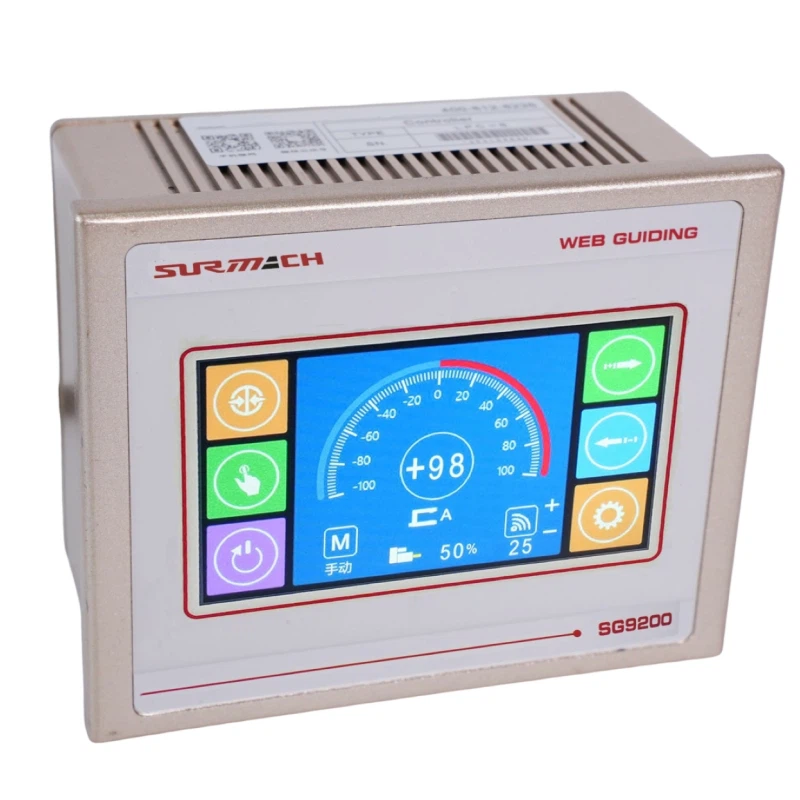
As a web guide system provider, we offer a range of products that are designed to be compatible with different browsers. Our Web Winding Guide is a highly efficient solution for guiding webs during the winding process. It features advanced control algorithms and is optimized for both desktop and mobile browsers.
Our Web Guide with Splice Table is another great product that combines the functionality of a web guide with a splice table. It provides a seamless experience for users, whether they are using Chrome, Firefox, or any other browser.
And our Web Guide Steering Frame is a robust and reliable solution for steering webs. It is built with cross - browser compatibility in mind, ensuring that it works well across different platforms.
Encouraging Contact for Purchase
If you are interested in our web guide systems and want to learn more about how they can benefit your business, we encourage you to contact us for a purchase consultation. Our team of experts is ready to assist you in finding the right solution for your specific needs. Whether you are dealing with a small - scale operation or a large - scale industrial setup, our web guide systems can provide the precision and reliability you require.
References
- "HTML and CSS: Design and Build Websites" by Jon Duckett
- "JavaScript: The Definitive Guide" by David Flanagan
- "Responsive Web Design: Patterns and Principles" by Ethan Marcotte